Introduction
Leukoplakia is a white patch that develops inside the oral cavity and cannot be removed by rubbing or scraping. It is considered a potentially precancerous lesion of the mouth.
Although many leukoplakia lesions remain harmless, some cases may have a risk of becoming cancerous. Early diagnosis and proper management help reduce complications.
Any persistent white patch inside the mouth that cannot be removed should be examined by a dental professional.
Causes of Leukoplakia
Tobacco is considered the main cause of leukoplakia. Continuous exposure to tobacco products can irritate oral tissues and lead to abnormal changes in the oral mucosa.
Tobacco Related Causes
- Smokeless tobacco such as chewing tobacco and snuff.
- Smoking tobacco including cigarettes and cigars.
Effect of Tobacco on Oral Health
Smokeless tobacco releases harmful chemicals that act as local irritants and damage the oral mucosa. It may also lead to tobacco pouch keratosis.
Smoking tobacco exposes oral tissues to harmful substances such as nicotine, carbon monoxide and heat. Continuous irritation may cause red and white streaks with increased keratin formation.
Other Causes and Risk Factors of Leukoplakia
Apart from tobacco use, several other factors may contribute to the development of leukoplakia. Continuous irritation and certain oral conditions can increase the risk.
- Alcohol consumption, especially long-term excessive use.
- Chronic irritation from ill-fitting dentures.
- Sharp or broken tooth edges causing repeated trauma.
- Oral fungal infections such as candidiasis.
- Nutritional deficiencies.
- Dry mouth conditions and certain medications.
Signs and Symptoms of Leukoplakia
Leukoplakia is commonly seen in older age groups and is more frequently observed in males. It can develop in different areas of the oral cavity.
Common locations where leukoplakia may appear include:
- Buccal mucosa (inner cheek).
- Corners of the mouth.
- Lips.
- Tongue.
- Palate.
- Floor of the mouth.
Common Features
- White or yellowish patches inside the mouth.
- Rough, wrinkled or thickened surface.
- Patch cannot be removed by rubbing.
- Burning sensation or discomfort in some cases.
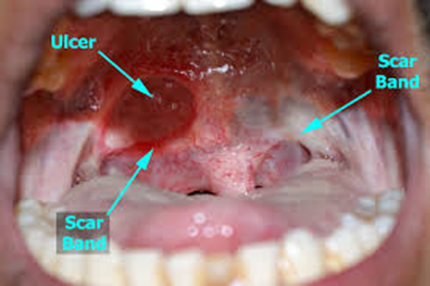
- Ulceration may occur in advanced lesions.
Risk Factors for Cancer Transformation
Some leukoplakia lesions may have a higher possibility of developing into cancer. Proper evaluation and follow-up are important for early detection.
- Lesions that remain for many years.
- Lesions present on the floor of the mouth.
- Lesions affecting the base of the tongue.
- Higher risk observed in female patients.
Leukoplakia Management and Treatment
Treatment of leukoplakia mainly depends on the size, location, appearance of the lesion and risk of cancer transformation. Early diagnosis helps in selecting the appropriate treatment option.
Lifestyle Changes
- Complete stopping of tobacco use is the most important step.
- Avoid excessive alcohol consumption.
- Maintain proper oral hygiene.
- Regular dental follow-up and examination.
Removal of Local Irritants
Any continuous source of irritation should be removed to prevent further damage to oral tissues.
- Correction of ill-fitting dentures.
- Treatment of sharp or broken tooth edges.
- Management of chronic oral irritation.
Medical and Surgical Treatment
- Vitamin and antioxidant therapy may be advised in selected cases.
- Surgical removal may be recommended for suspicious or high-risk lesions.
- Regular monitoring is required to identify any changes at an early stage.
Conclusion
Leukoplakia is a common oral condition that appears as a white patch which cannot be removed by scraping. Since some lesions may have the potential to become cancerous, early evaluation and proper management are important.
Avoiding tobacco, maintaining good oral hygiene and regular dental check-ups in Thane can help in early detection and effective management of leukoplakia.
Frequently Asked Questions
What is leukoplakia?
Leukoplakia is a white patch inside the mouth that cannot be removed by rubbing or scraping. It is considered a potentially precancerous oral lesion.
What is the main cause of leukoplakia?
Tobacco use is the most common cause of leukoplakia. Both smoking and smokeless tobacco can irritate oral tissues and increase the risk.
Can leukoplakia become cancerous?
Some leukoplakia lesions may have a risk of cancer transformation, especially when they persist for a long time or occur in high-risk areas.
How is leukoplakia treated?
Treatment includes stopping tobacco use, removing sources of irritation, maintaining oral hygiene, medical therapies and surgical removal when required.
When should I consult a dentist for a white patch?
Any white patch in the mouth that does not disappear or cannot be removed should be examined by a dental professional.