Introduction
Pit and fissure sealants are preventive dental treatments used to protect the grooves and pits present on the chewing surfaces of teeth. These areas can easily trap food particles and bacteria, increasing the risk of tooth decay.
Sealants create a protective layer over these deep grooves, preventing microorganisms and food particles from entering and helping reduce the chances of cavities, especially in molars and premolars.
Pit and fissure sealants are a simple and effective preventive dental procedure that helps protect teeth from decay before it starts.
Causes of Pit and Fissure Decay
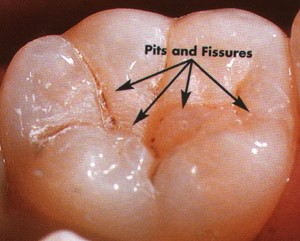
Pits and fissures are natural grooves present on the biting surface of teeth. These areas can become difficult to clean and allow bacteria and food particles to accumulate.
- Deep grooves on chewing surfaces provide shelter for bacteria.
- Food particles trapped inside pits and fissures contribute to plaque formation.
- Bacteria break down carbohydrates and produce acids that damage tooth enamel.
- Improper cleaning of chewing surfaces increases the risk of cavities.
- Newly erupted teeth are more vulnerable to pit and fissure decay.
Signs of Pit and Fissure Decay
Early detection of tooth decay helps prevent further damage. Common signs of pit and fissure decay include:
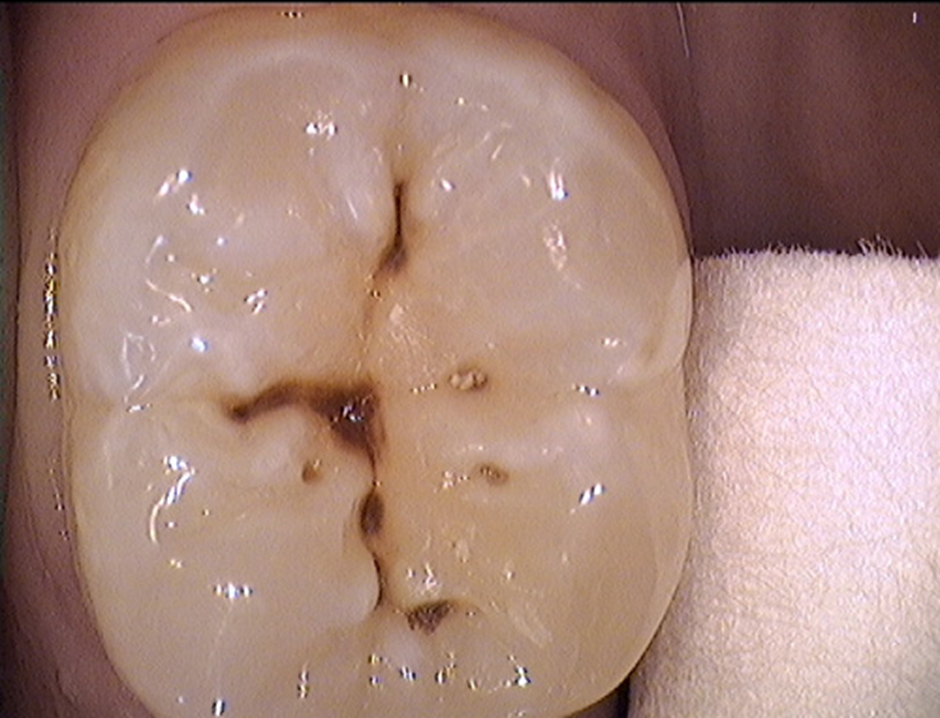
- Dark spots or discoloration on the chewing surface of teeth.
- Food getting trapped repeatedly in tooth grooves.
- Sensitivity while eating hot, cold or sweet foods.
- Visible cavities developing on molars or premolars.
- Tooth discomfort or pain in advanced stages.
Benefits of Pit and Fissure Sealants
Pit and fissure sealants provide a protective barrier on the chewing surfaces of teeth and help prevent tooth decay by blocking bacteria and food particles from entering deep grooves.
- Helps prevent cavities in pits and fissures of teeth.
- Protects molars and premolars from decay.
- Reduces accumulation of plaque and bacteria in deep grooves.
- Provides long-lasting protection when maintained properly.
- Helps avoid complex dental treatments caused by tooth decay.
- Supports better preventive oral care, especially in children.
Prevention of Pit and Fissure Decay
Maintaining good oral hygiene along with preventive dental treatments helps reduce the risk of tooth decay. Pit and fissure sealants are an effective method to protect vulnerable chewing surfaces.
- Maintain regular brushing habits.
- Clean chewing surfaces properly to remove food particles.
- Limit frequent consumption of sugary foods and drinks.
- Schedule regular dental check-ups for early detection.
- Consider sealants for newly erupted permanent molars and premolars.
- Follow dentist recommendations for preventive dental care.
Dental Care Tips After Sealant Treatment
- Continue regular brushing and flossing habits.
- Avoid excessive sugary snacks and drinks.
- Visit your dentist for regular sealant evaluation.
- Maintain proper oral hygiene to protect all teeth.
- Inform your dentist if any sealant becomes damaged or worn.
- Follow preventive dental care advice for long-term oral health.
Pit and Fissure Sealant Procedure
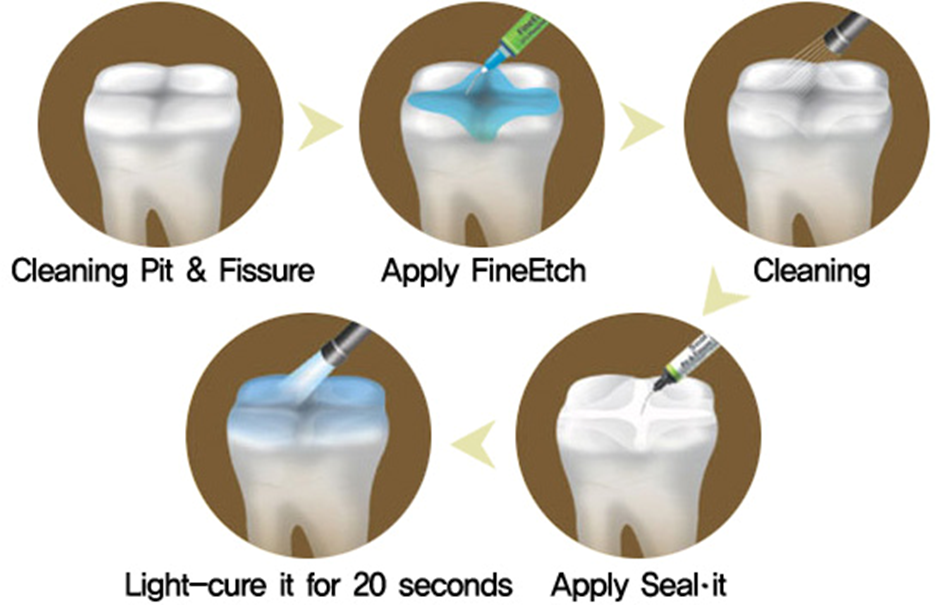
The pit and fissure sealant procedure is a simple and painless preventive dental treatment. The dentist cleans the tooth surface, prepares the grooves and applies a protective sealant material.
- Tooth surface is cleaned thoroughly before applying the sealant.
- The tooth is dried and prepared for treatment.
- Etching solution is applied to create a suitable surface for bonding.
- Sealant material is placed into pits and fissures.
- The sealant is hardened using a curing light.
Conclusion
Orthodontic treatment is an effective solution for correcting crooked teeth, bite problems and improving overall smile appearance. With proper planning and regular care, braces can help achieve healthier and properly aligned teeth.
Consulting an experienced orthodontist in Thane helps patients understand the right treatment option and achieve long-lasting dental results.
Frequently Asked Questions
What are pit and fissure sealants?
Pit and fissure sealants are protective dental materials applied on the chewing surfaces of teeth to seal deep grooves and prevent bacteria and food particles from causing tooth decay.
Why are pit and fissure sealants needed?
The deep grooves present on molars and premolars can trap food particles and bacteria, making them difficult to clean. Sealants provide a protective layer that helps prevent cavities.
How is the pit and fissure sealant procedure performed?
The tooth surface is cleaned, dried and prepared before applying the sealant material. The sealant is then placed into the grooves and hardened using a curing light.
Who should get pit and fissure sealants?
Sealants are commonly recommended for children and adults with deep grooves on newly erupted permanent molars and premolars, especially when teeth are at higher risk of decay.
Are pit and fissure sealants painful?
No, pit and fissure sealant placement is a simple and painless preventive dental procedure that usually does not require drilling or anaesthesia.