Bleeding or Tender Gums
Bleeding while brushing may be linked to plaque build-up or gum irritation.
Full mouth scaling and polishing helps remove plaque, hardened tartar and selected surface stains after a careful dental and gum assessment.
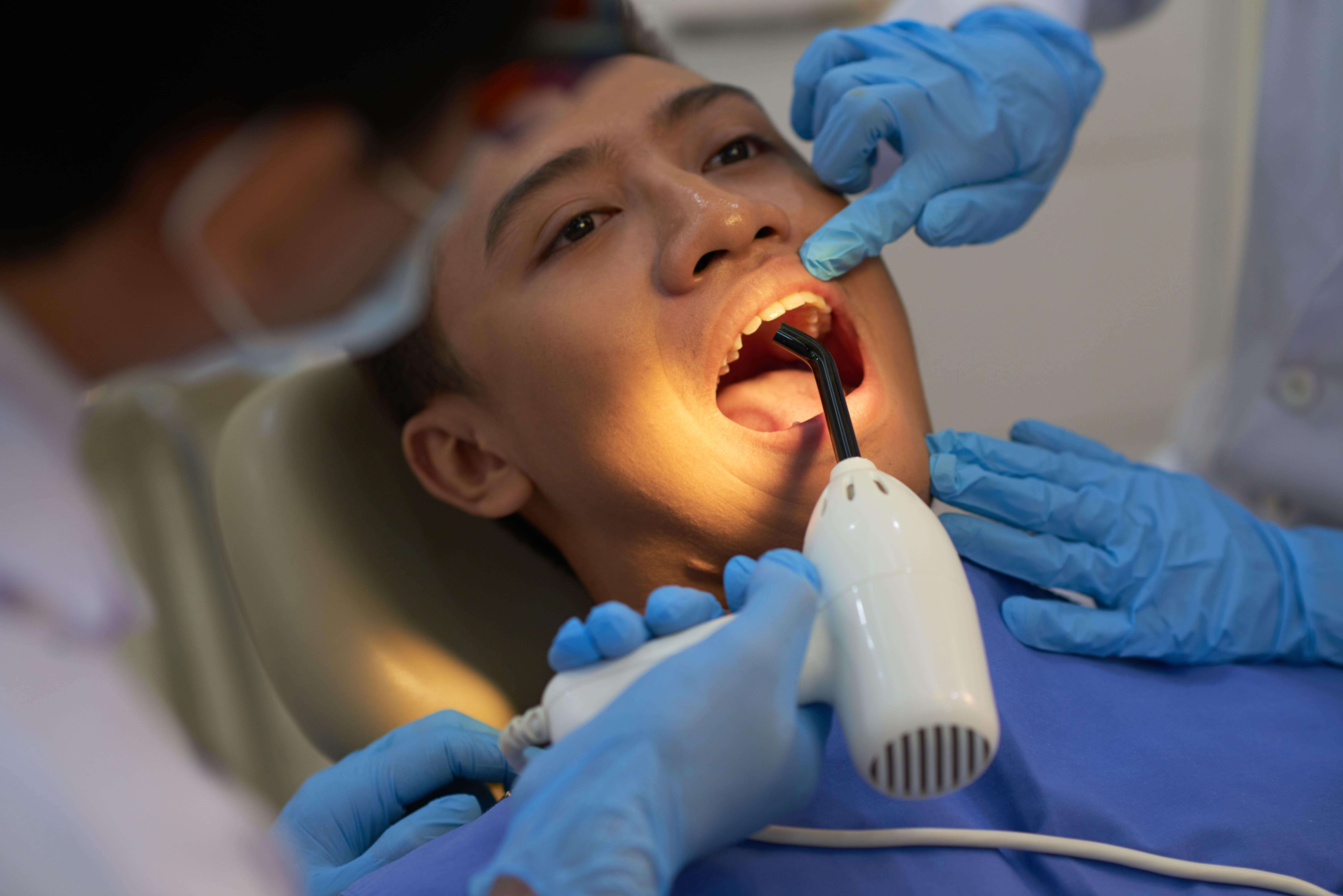
A dentist may recommend full mouth scaling and polishing after examining your teeth, gums and difficult-to-clean areas.
Bleeding while brushing may be linked to plaque build-up or gum irritation.
Tartar near the gum line cannot be removed by ordinary brushing.
Plaque and bacteria can contribute to bad breath when local deposits are involved.
Professional polishing may reduce selected external stains from food, drinks or habits.
Hardened deposits can make teeth feel rough and may require professional cleaning.
Cleaning can support hygiene around braces, crowns and bridges.
Plaque and tartar can collect even with regular brushing, especially between teeth and near the gum line. Once deposits harden, they cannot always be removed with a toothbrush. Scaling removes plaque and hardened tartar. Polishing smooths the cleaned surfaces and may reduce selected external stains, but it does not bleach the natural colour of teeth.
Removes plaque and calculus from tooth surfaces, around the gum line and from difficult areas.
Smooths cleaned surfaces and may reduce selected stains caused by tea, coffee, tobacco or food.

The approach is selected after examining plaque, tartar, gum inflammation and areas requiring attention.

The dentist checks the teeth, gums, deposits and whether routine or advanced gum treatment is needed.
Hand instruments or an ultrasonic scaler remove plaque and hardened tartar around the gum line.
Professional equipment and polishing paste smooth cleaned surfaces and reduce selected stains.
Brushing, flossing and interdental cleaning methods are reviewed after treatment.
Results vary according to the amount of build-up, gum condition and the type of staining.
Clears plaque and tartar that brushing cannot fully remove.
Helps reduce local irritation associated with deposits.
Targets spaces around and between teeth that are harder to clean.
Polishing may reduce selected stains and leave teeth feeling smoother.
May help when plaque build-up contributes to bad breath.
Provides a cleaner surface for brushing and interdental care.
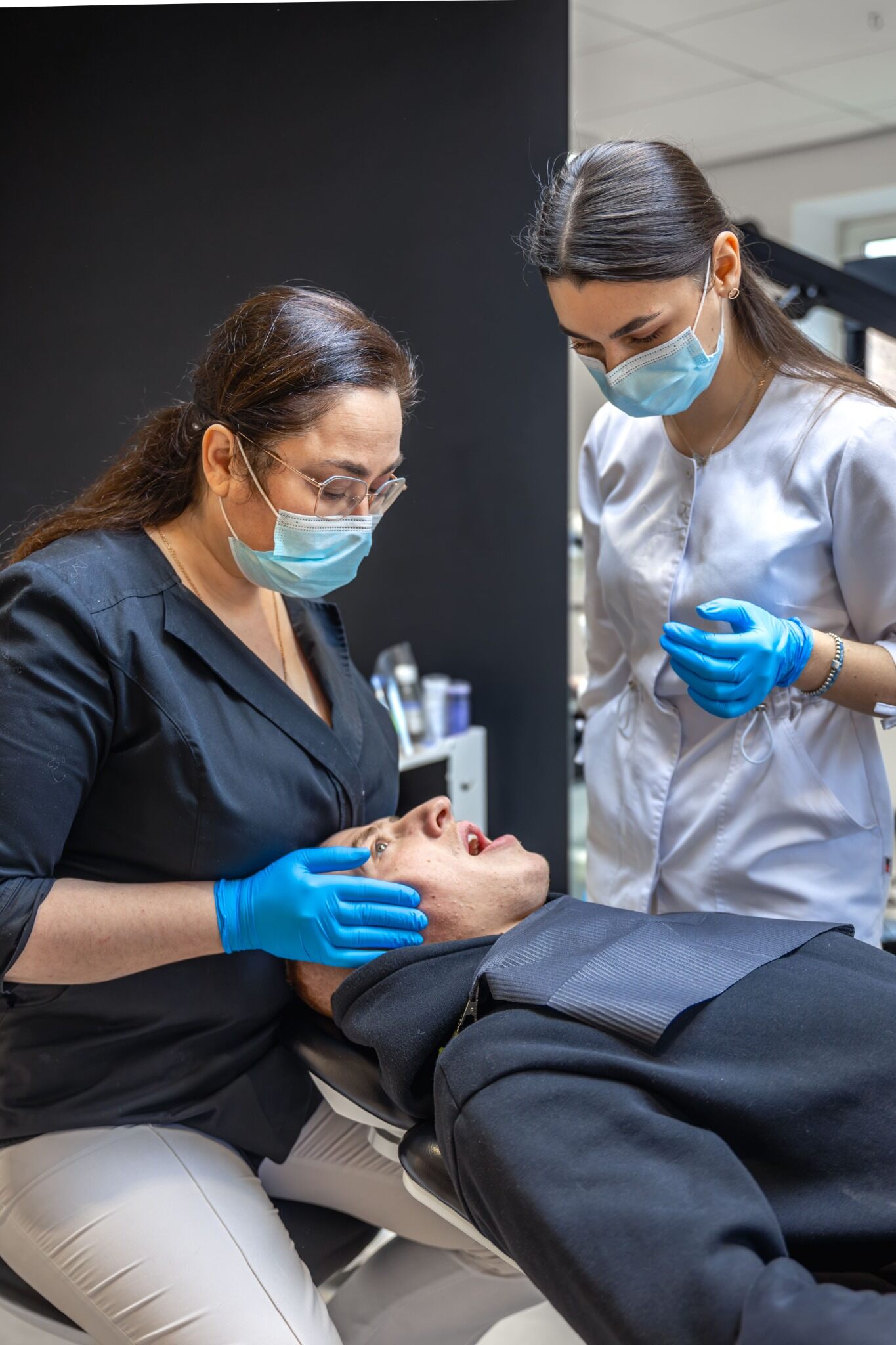
Mild gum tenderness, slight bleeding or temporary sensitivity can occur, especially when there was considerable tartar or gum inflammation.
Your teeth, gums and deposits are examined before cleaning begins.
Scaling is planned according to build-up and gum condition.
Difficult areas around crowns and bridges receive careful attention.
Stains, sensitivity and gum findings are explained clearly.
Receive guidance for brushing, flossing and plaque control.
Access professional dental cleaning and oral-hygiene guidance.
The cleaning method and recall interval are based on gum condition, build-up and oral-health risk.
No. Scaling removes plaque and tartar, while polishing may reduce selected surface stains. Whitening is a separate cosmetic treatment.
When carried out appropriately, scaling is intended to remove deposits. Teeth may feel different because rough tartar has been removed.
Many patients experience only mild discomfort. Sensitivity can be greater when gums are inflamed or deposits extend below the gum line.
There is no single interval for everyone. Frequency depends on gum condition, plaque build-up and oral-health risk.
Not always. Deeper pockets, attachment loss or bone loss may require periodontal assessment and deeper cleaning.
Discuss plaque and tartar removal, surface staining, gum health, sensitivity and the cleaning interval appropriate for you.