What Is Conscious Sedation?
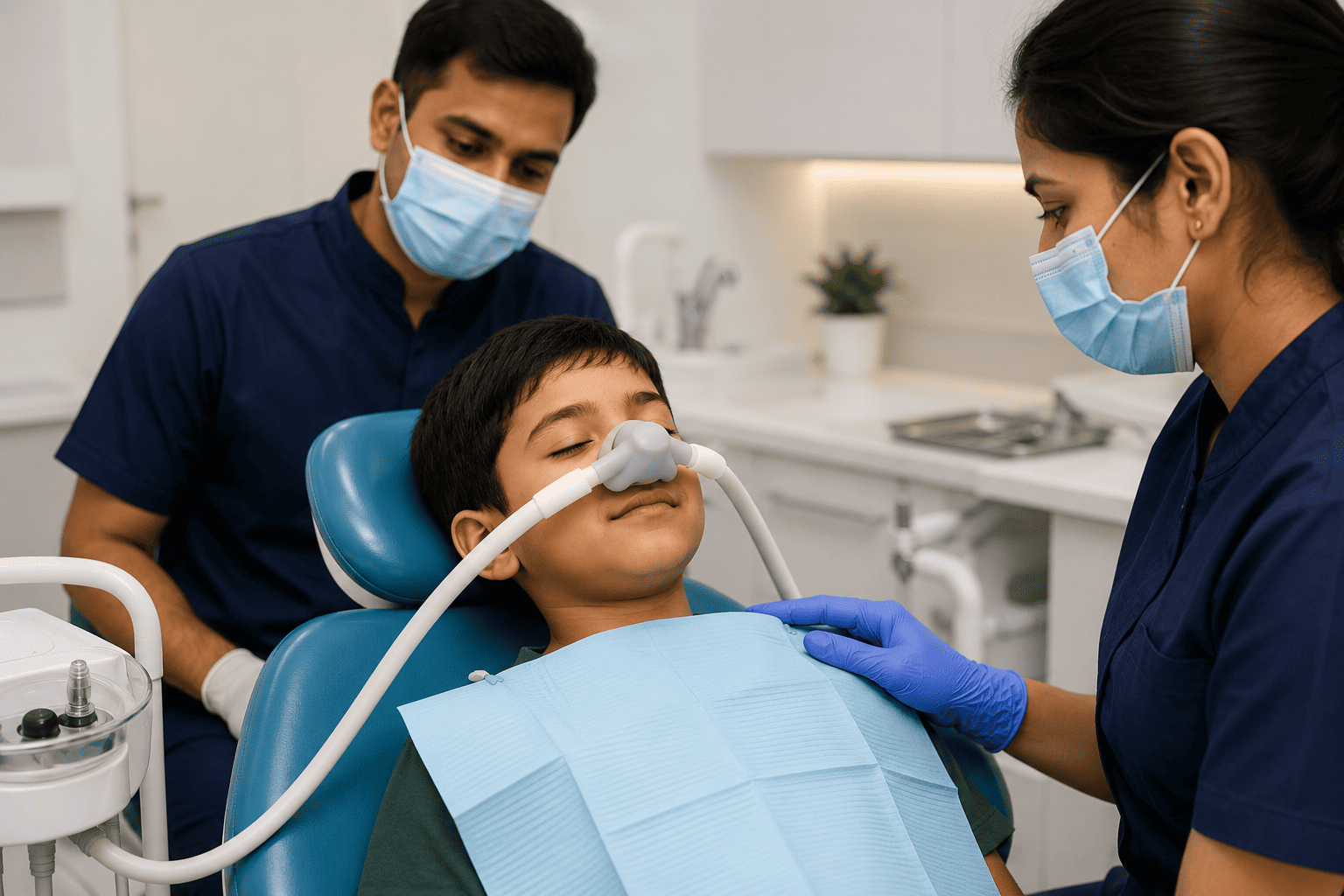
Conscious sedation is a type of sedation in which the consciousness of an individual is minimally depressed while the patient's ability to breathe and respond to physical and verbal commands is maintained.
In dentistry, conscious sedation is mainly used for children who do not cooperate during dental procedures or who are very anxious and fearful about dental treatment.
The objective of conscious sedation is to help the patient remain calm and cooperative while still staying conscious and responsive during dental treatment.
Objectives of Conscious Sedation
Conscious sedation is intended to make dental treatment more manageable for selected patients while maintaining important protective functions.
- The patient should remain conscious and respond to verbal commands.
- Vital signs such as heart rate and breathing should remain stable and normal.
- Conscious sedation may create some degree of amnesia, so the patient may have little memory of the dental experience.
- It may increase the child's pain threshold and help make treatment easier to complete.
When Conscious Sedation May Be Indicated
A dentist may consider conscious sedation when normal behavioural management is not sufficient to allow dental treatment to be carried out.
- Patients who do not cooperate during dental procedures.
- Patients who are very anxious or fearful about dental treatment.
- Mentally challenged individuals who require extensive dental treatment but are unable to cooperate adequately.
When Conscious Sedation May Not Be Indicated
Conscious sedation is not suitable for every patient. A proper medical history and assessment should be performed before the procedure.
- Patients having breathing disorders.
- Pregnant patients.
- Patients with epilepsy.
- Patients with bleeding disorders.
- Patients who are not accompanied by family members or friends.
- Patients who are allergic to the sedation medicines being considered.
- Patients who have difficulty responding to or understanding instructions properly.
The dentist should assess the patient's medical history, current health and ability to cooperate before deciding whether conscious sedation is appropriate.
Routes of Administration of Conscious Sedation
Conscious sedation can be administered through different routes depending on the patient's needs, age and planned dental procedure.
- Inhalation
- Oral
- Intramuscular
- Intravenous
Conscious Sedation vs General Anaesthesia
Conscious sedation and general anaesthesia are different approaches. In conscious sedation, the patient remains responsive, whereas general anaesthesia produces unconsciousness.
Conscious Sedation
- The patient remains conscious.
- The patient can respond to verbal commands.
- Multiple procedures may be performed over several visits.
- Pre-procedure medication may not always be required.
- The airway is maintained.
General Anaesthesia
- The patient is unconscious.
- Treatment may generally be planned in a single sitting.
- Ventilation may be required.
- More extensive monitoring and support may be necessary.
Precautions Before Conscious Sedation
Proper preparation is important before conscious sedation. Parents or caregivers should carefully follow the instructions provided by the treating dentist.
- Food should not be given immediately before the procedure.
- The procedure may be preferred in the morning, allowing the child to have an early dinner the previous evening and then sleep.
- Follow the dentist's specific fasting and clear fluid instructions before the procedure.
- The child should not have an active cold, cough, breathing difficulty or another breathing problem.
- Inform the dentist about any known drug allergy.
- Inform the dentist about medicines the child is currently taking.
- Heart rate, blood pressure and respiratory rate should be checked.
Always follow the individual pre-sedation instructions provided by the treating dental professional rather than changing food, medicine or fluid intake on your own.
What Happens During Conscious Sedation?
During conscious sedation, the patient is kept relaxed while the dental team observes the patient's response and vital signs.
The patient should remain capable of responding when spoken to and should continue breathing without the level of unconsciousness associated with general anaesthesia.
Conclusion
Conscious sedation can help selected anxious, fearful or uncooperative patients undergo dental treatment while remaining responsive and able to breathe normally.
Proper patient selection, preparation and monitoring are important for conscious sedation. The type and route of sedation should be selected by the treating dental professional according to the individual patient's requirements.
If your child experiences significant dental anxiety or has difficulty cooperating during dental treatment, you can consult the DentoXpert Dental Team in Thane to discuss appropriate treatment options.
Frequently Asked Questions
Is a patient awake during conscious sedation?
Yes. During conscious sedation, the patient's level of consciousness is minimally depressed and they should remain able to respond to verbal commands.
Why is conscious sedation used in children?
Conscious sedation may be considered for children who are very anxious, fearful or unable to cooperate during dental treatment.
Is conscious sedation the same as general anaesthesia?
No. During conscious sedation the patient remains responsive, while general anaesthesia produces unconsciousness.
What are the routes of conscious sedation?
Conscious sedation may be administered through inhalation, oral, intramuscular or intravenous routes depending on the treatment plan.
What should parents tell the dentist before sedation?
Parents should inform the dentist about the child's medical conditions, medicines, allergies, cold, cough or breathing difficulties before the procedure.
Are vital signs monitored during conscious sedation?
Heart rate, blood pressure and respiratory status are important parameters that may be checked as part of sedation care.