Why Should a Missing Tooth Be Replaced?
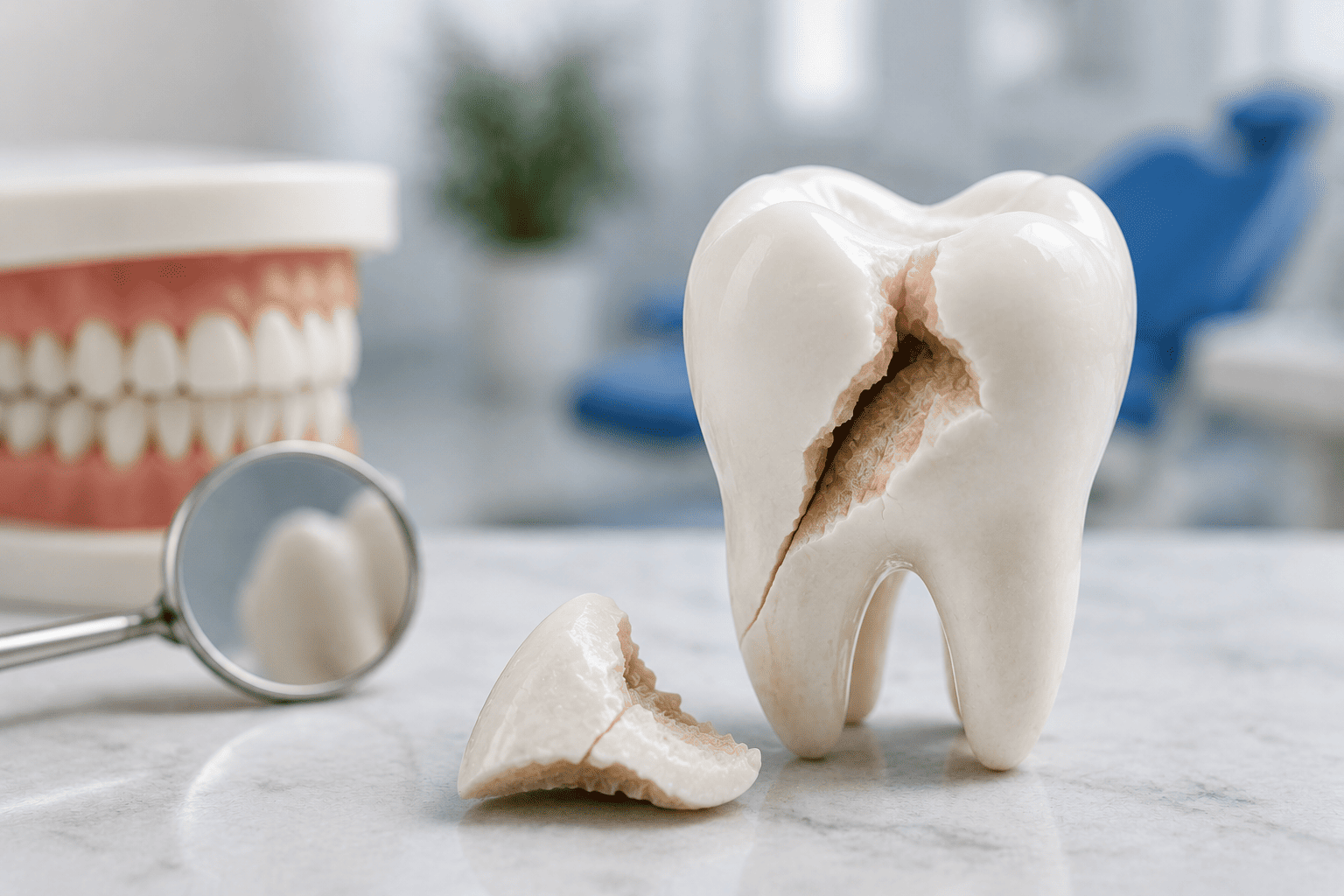
When a painful, badly broken or mobile tooth is removed, the immediate dental problem may appear to be solved. However, leaving the resulting space untreated can gradually affect the surrounding teeth, gums, bite and jawbone.
Teeth work together to help us chew food, bite properly, speak clearly, support the lips and cheeks and maintain the natural appearance of the smile.
Replacing a missing tooth is not only about appearance. It can also help maintain chewing function, tooth position, bite balance and the health of surrounding tissues.
What Functions Do Our Teeth Perform?
Every tooth contributes to the normal function of the mouth. When one or more teeth are lost, some of these functions may gradually become affected.
- Helping to chew food properly.
- Helping us bite food.
- Supporting clear speech and pronunciation.
- Supporting the lips and cheek muscles.
- Maintaining the appearance of the face and smile.
Can Nearby Teeth Shift After Tooth Loss?
Yes. Teeth naturally help maintain the space occupied by neighbouring teeth.
When one tooth is missing, the teeth next to the empty space may gradually tilt or shift toward it. Because this movement often happens slowly, it may not be noticed immediately.
Over time, this shifting can change the alignment of the teeth and may affect the way the upper and lower teeth meet.
Can a Missing Tooth Increase the Risk of Tooth Decay?
When nearby teeth shift into an empty space, irregular gaps may develop between the remaining teeth.
Food can become trapped in these areas and may be more difficult to remove with normal brushing.
Repeated food lodgement and plaque accumulation can increase the possibility of decay affecting the neighbouring teeth.
Can Tooth Loss Lead to Gum Problems?
Food and plaque collecting around irregular spaces may also affect the gums.
Persistent food lodgement can irritate the gum tissue and may contribute to inflammation around the neighbouring teeth.
Maintaining proper spacing and cleaning around the remaining teeth is important after tooth loss to help protect both the teeth and gums.
What Happens to the Tooth Opposite a Missing Tooth?
Teeth normally contact an opposing tooth during biting and chewing. When this contact is lost, the opposing tooth may gradually move toward the empty space.
For example, if a lower tooth is missing, the upper tooth opposite it may slowly move downward into the space.
This movement can disturb the bite and may make future replacement of the missing tooth more difficult.
How Can a Missing Tooth Affect Your Smile?
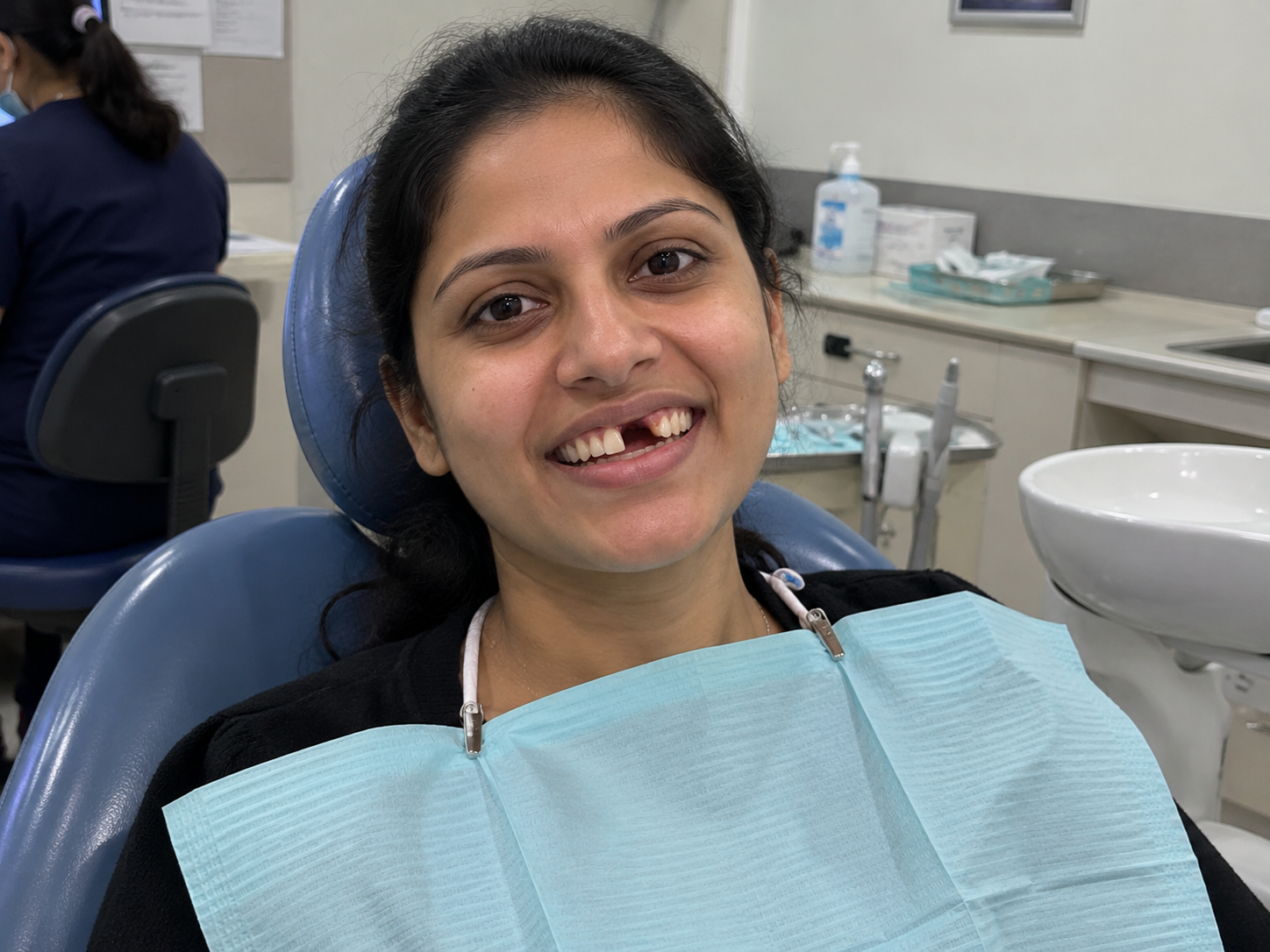
Missing front teeth are often clearly visible while smiling or speaking and can significantly change the appearance of the smile.
Depending on the location and number of missing teeth, tooth loss may also reduce support for the lips and cheeks.
Replacing visible missing teeth can help restore both the appearance and function of the smile.
Can Missing Back Teeth Affect Chewing?
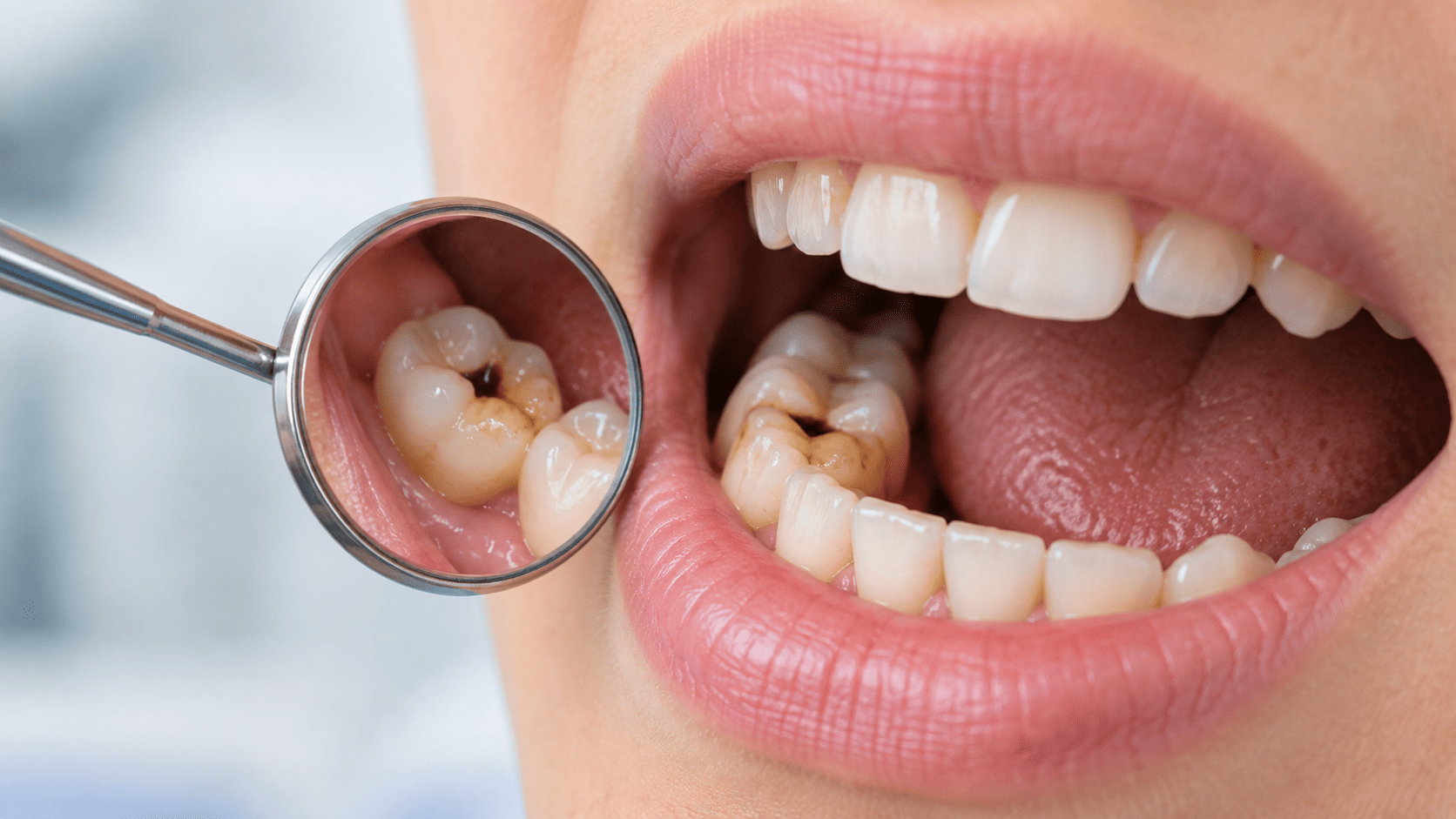
Back teeth perform an important role in crushing and grinding food. Losing one or more back teeth can reduce chewing efficiency.
People may begin chewing mainly on the opposite side of the mouth or avoid certain foods because chewing becomes uncomfortable or less effective.
Replacing missing back teeth can help restore a more balanced chewing surface.
Can Bone Loss Occur After a Tooth Is Removed?
The jawbone around a tooth receives stimulation through normal biting and chewing forces.
After a tooth is removed, the bone in that area may gradually reduce in height and width over time.
The amount of bone present can also be an important consideration when planning future tooth replacement, particularly with dental implants.
What Are the Options to Replace a Missing Tooth?
The most suitable treatment depends on the number and location of missing teeth, the condition of neighbouring teeth, gum and bone health and the patient's individual requirements.
Common tooth replacement options include:
- Removable denture: A removable appliance that replaces one or more missing teeth and can be removed by the patient.
- Fixed dental bridge: A fixed restoration used to replace a missing tooth using support from neighbouring teeth.
- Dental implant: An implant is placed in the jawbone and is used to support a replacement tooth or crown.
Can a Removable Denture Replace Missing Teeth?
A removable denture can replace a single missing tooth, several missing teeth or, in some cases, an entire dental arch.
Unlike a fixed bridge or implant-supported restoration, a removable denture can be removed by the patient for cleaning.
The suitability of a denture depends on the number of missing teeth, supporting tissues and the overall condition of the mouth.
Can a Dental Bridge Replace a Missing Tooth?
A dental bridge is a fixed option for replacing one or more missing teeth.
The artificial replacement tooth is supported by neighbouring teeth or suitable supporting structures.
Your dentist will examine the condition of the surrounding teeth before determining whether a bridge is appropriate.
Can a Dental Implant Replace a Missing Tooth?
A dental implant is another fixed option used to replace a missing tooth.
The implant is placed in the jawbone and acts as a foundation for the replacement tooth.
Implant suitability depends on factors such as available bone, gum health, general oral health and the location of the missing tooth.
When Should You Consult a Dentist for a Missing Tooth?
It is helpful to discuss replacement options after a tooth is lost rather than waiting until nearby teeth have shifted or significant changes have occurred in the area.
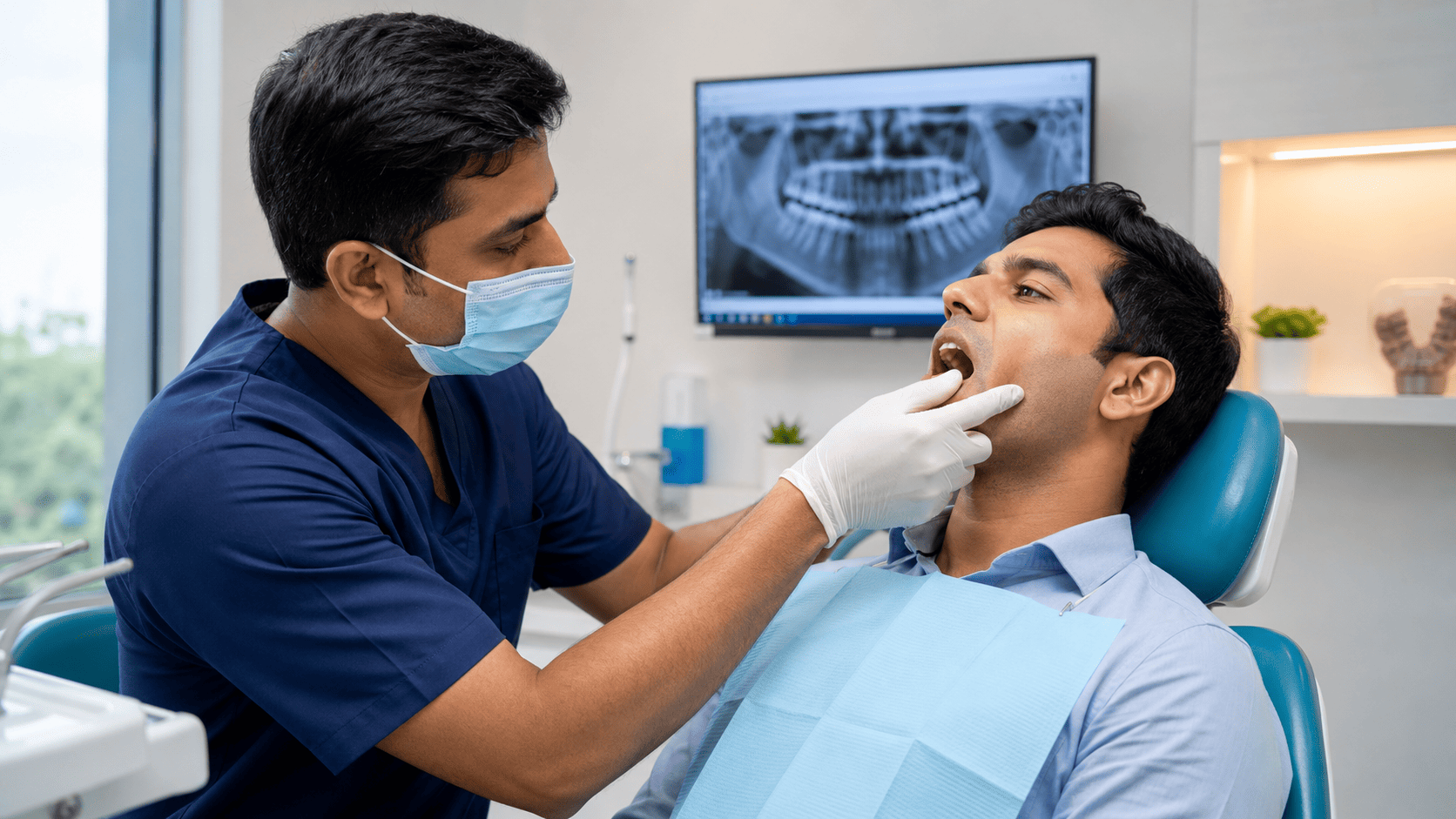
A dentist can examine the empty space, neighbouring teeth, bite, gums and available bone before recommending an appropriate replacement option.
Depending on your condition, treatment may include a removable denture, fixed dental bridge, dental implant or another suitable option.
Conclusion
Losing a tooth may solve the immediate problem caused by a painful, damaged or mobile tooth, but leaving the space untreated can gradually affect other parts of the mouth.
Nearby teeth may shift, food may become trapped, gum problems and decay may develop, chewing efficiency may reduce and the jawbone in the missing-tooth area may gradually decrease.
Missing teeth can be replaced using removable dentures, fixed bridges or dental implants. Consulting a dentist in Thane can help determine which replacement option is appropriate for your individual dental condition.
Frequently Asked Questions
Is it necessary to replace every missing tooth?
The need for replacement depends on the position of the missing tooth, bite, surrounding teeth and overall oral health. A dental examination can determine whether replacement is advised.
What happens if I leave a missing tooth untreated?
Nearby teeth may gradually shift into the empty space, which can affect alignment, food trapping, cleaning and the way the teeth bite together.
Can missing teeth cause bone loss?
Yes. After tooth loss, the bone around the missing-tooth area may gradually reduce because it no longer receives the same stimulation from the tooth.
Can nearby teeth move into a missing-tooth gap?
Yes. Teeth next to an empty space may gradually tilt or shift toward the gap over time.
What are the main ways to replace a missing tooth?
Common replacement options include removable dentures, fixed dental bridges and dental implants.
Which is better: a bridge or dental implant?
The suitable option depends on the condition of neighbouring teeth, available bone, gum health, the location of the missing tooth and individual treatment requirements.